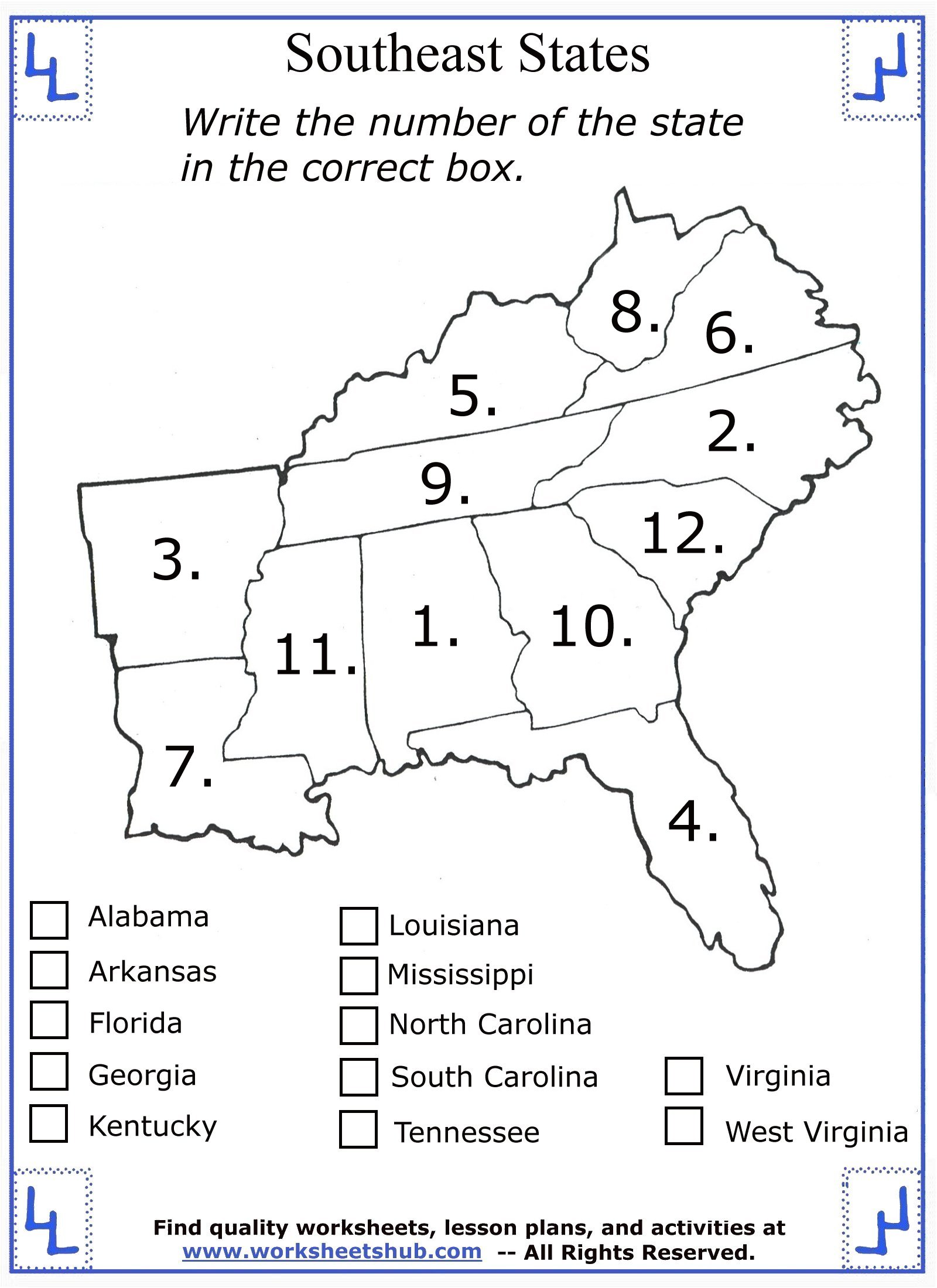
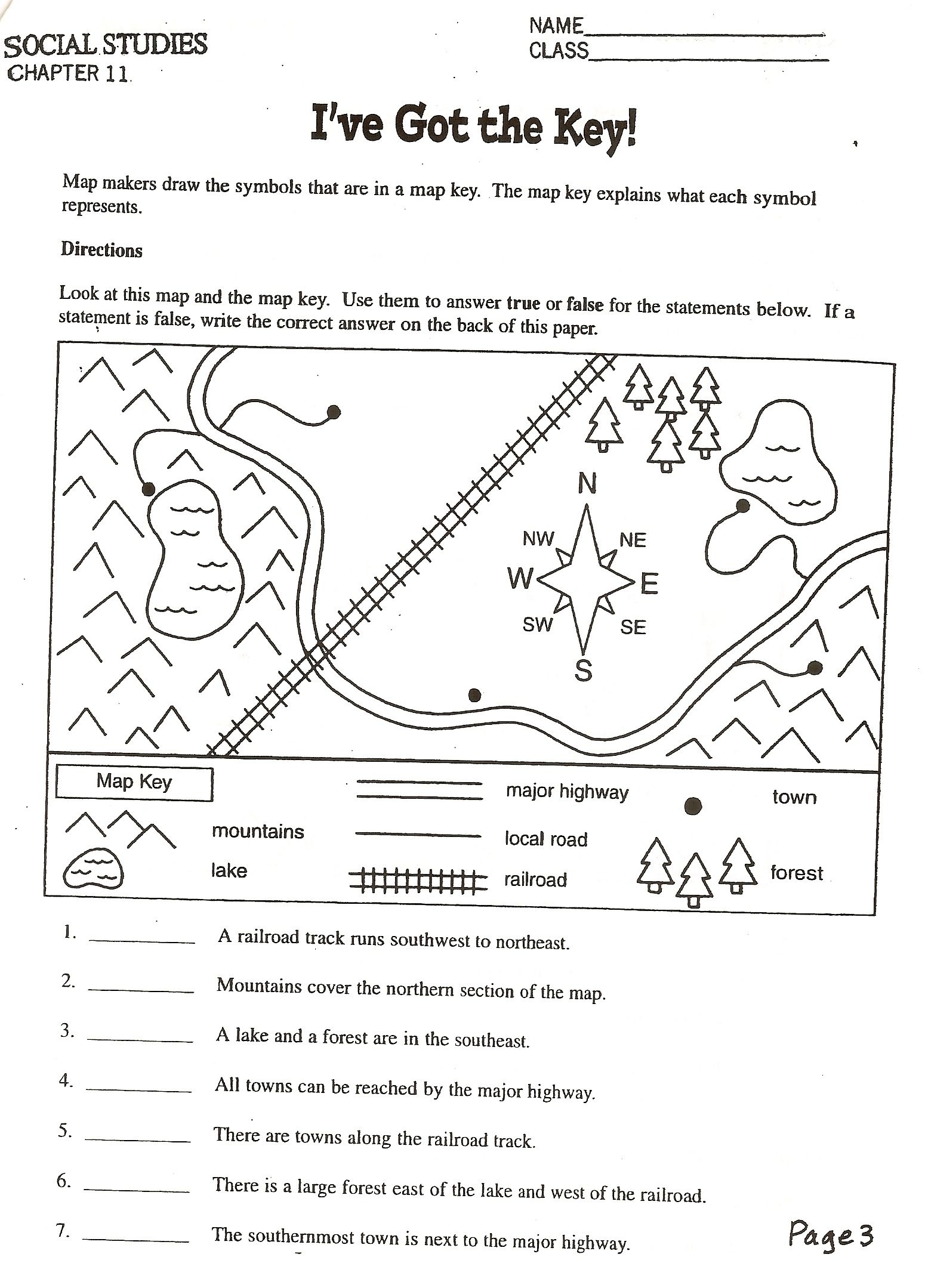
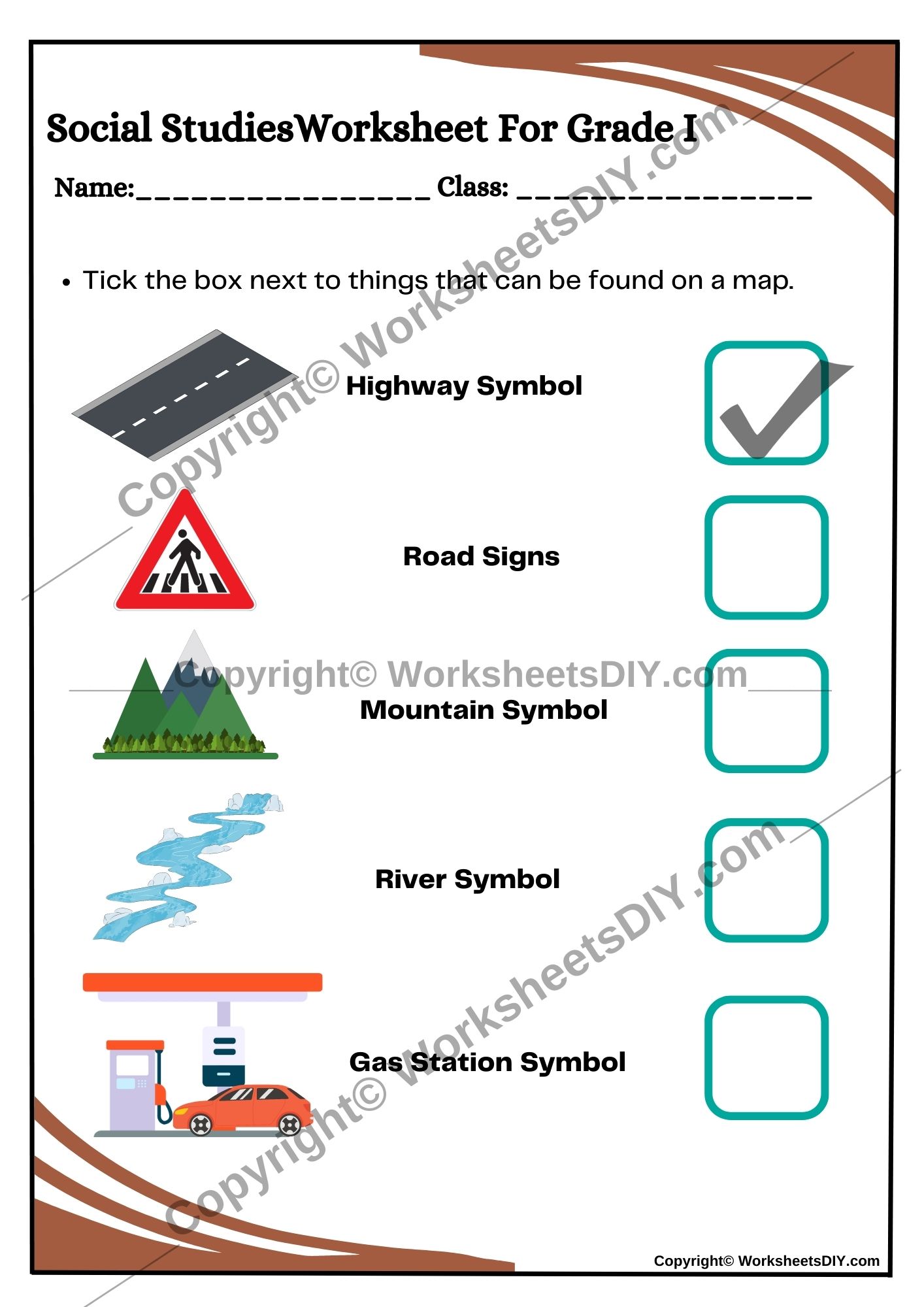
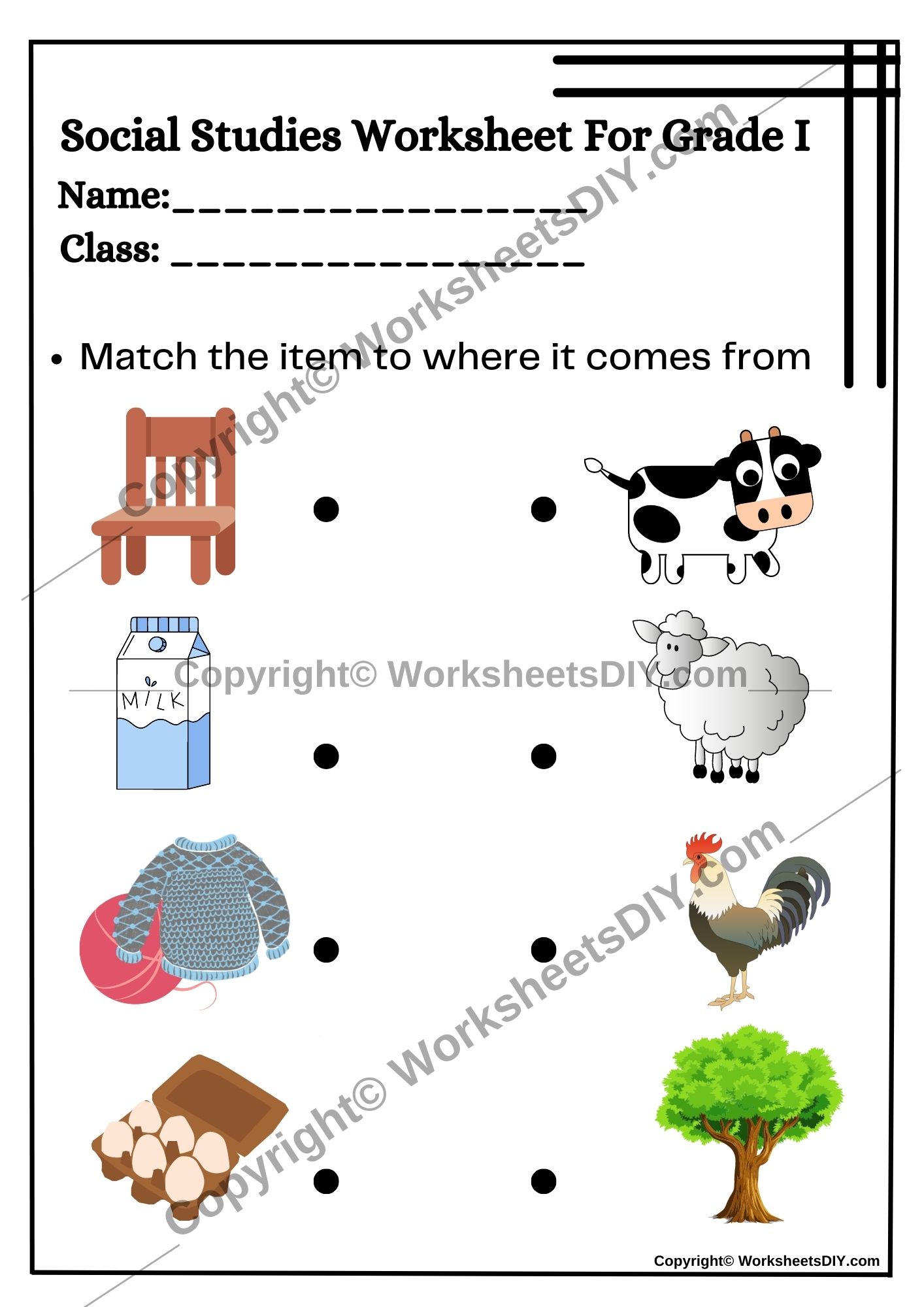
Your kindergartener is a sponge, soaking up the world around them. But let’s be real—teaching them about communities, maps, and cultures can feel like navigating a maze blindfolded. Kindergarten worksheets social studies are your secret weapon, but not all are created equal. Honestly, most are either too boring or too confusing for little minds. You need something that sparks curiosity without overwhelming them.
Right now, your child is at a critical age for understanding their place in the world. Social studies isn’t just about facts—it’s about building empathy, critical thinking, and a sense of belonging. But how do you make abstract concepts like “government” or “diversity” relatable to a 5-year-old? That’s where the right tools come in. Without them, you’re missing a golden opportunity to shape their worldview early.
Stick around, and you’ll discover how to turn learning into an adventure they’ll beg for. No more glazed-over eyes or half-finished worksheets. Just practical tips, hidden gems, and a fresh perspective that’ll make you rethink what’s possible in your homeschool or classroom. Oh, and that tangent about mazes? Turns out, teaching social studies is a lot like solving one—but with the right map, it’s a breeze.
The Part of Kindergarten Worksheets Social Studies Most People Get Wrong
When it comes to early childhood education, many parents and educators focus solely on the academic side of things—letters, numbers, and basic math. But here’s the part most people overlook: social studies is just as crucial for building foundational skills. It’s not just about memorizing facts; it’s about teaching kids how to think critically, understand their community, and develop empathy. Kindergarten worksheets for social studies often get a bad rap for being too simplistic or irrelevant, but the truth is, they’re a powerful tool when used correctly. The mistake? Treating them like a checklist instead of a springboard for meaningful conversations.
Why Social Studies Matters in Kindergarten
At this age, children are naturally curious about the world around them. Social studies taps into that curiosity by introducing concepts like family, community, and basic geography. For instance, a worksheet about different types of homes isn’t just about labeling pictures—it’s an opportunity to discuss diversity and how people live differently. **This early exposure lays the groundwork for global awareness and cultural sensitivity.** Without it, kids might grow up with a narrow view of the world, which can limit their ability to connect with others later in life.
The Pitfall of Over-Simplification
One common mistake is assuming that kindergarteners can’t handle complex ideas. While it’s true their understanding is limited, they’re capable of grasping more than we give them credit for. For example, instead of just coloring a map, encourage them to talk about why people might live in certain areas—like near water or mountains. This kind of open-ended thinking is where the real learning happens. **Kindergarten worksheets for social studies should challenge kids to ask questions, not just fill in blanks.** Otherwise, they miss out on developing critical thinking skills.
How to Make Social Studies Worksheets Work
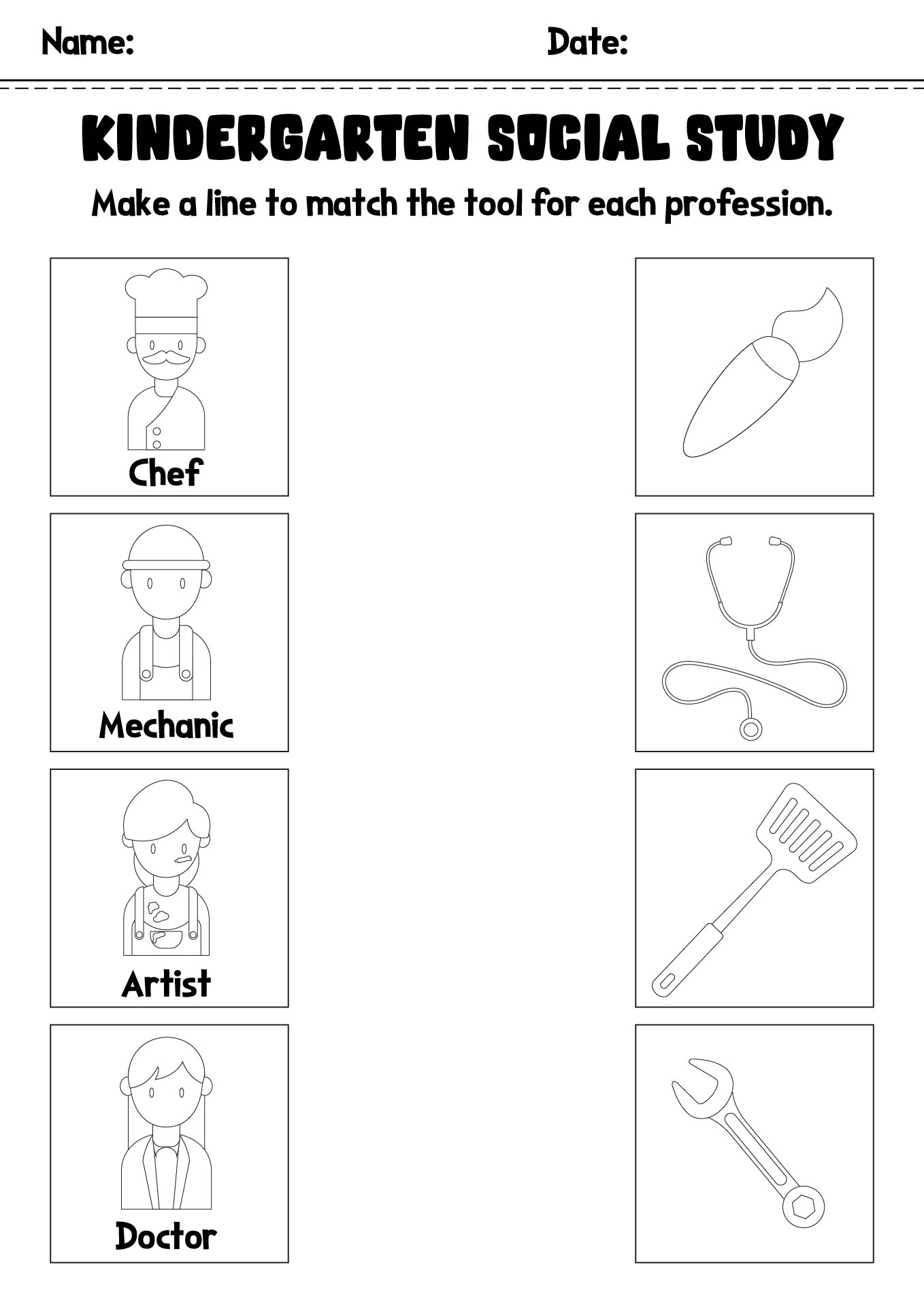
Here’s an actionable tip: pair worksheets with real-world experiences. If you’re teaching about community helpers, take a field trip to a local fire station or invite a guest speaker. Afterward, use the worksheet to reinforce what they’ve seen and heard. This bridges the gap between abstract concepts and tangible experiences. *And yes, that actually matters*—kids retain information better when they can connect it to something they’ve lived. It’s not about ditching worksheets entirely but using them as a tool, not the entire lesson.
Beyond the Worksheet: Building a Social Studies Mindset
While kindergarten worksheets for social studies are helpful, they’re just one piece of the puzzle. The goal is to foster a mindset where kids see themselves as part of a larger world. This means incorporating social studies into everyday activities—like discussing the weather and how it affects people in different places, or talking about holidays and traditions from various cultures. **When done right, social studies becomes a lens through which kids view everything around them.** It’s not just a subject; it’s a way of thinking that stays with them for life.
The Role of Conversation in Learning
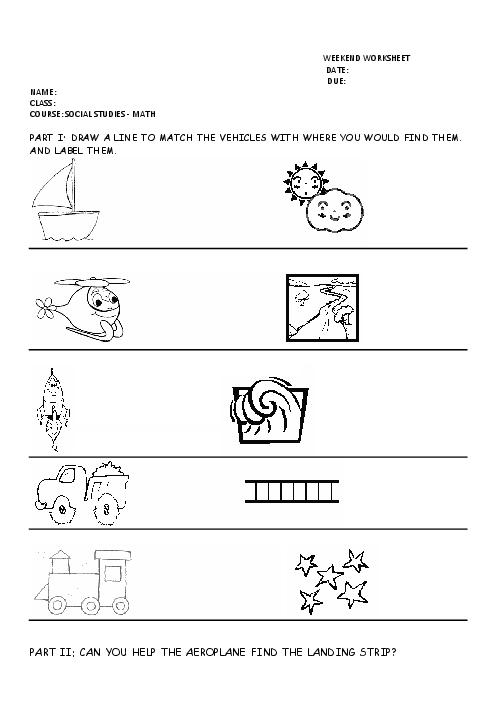
Worksheets are often silent activities, but social studies thrives on dialogue. Encourage kids to share their thoughts and ask questions. For example, if a worksheet shows different types of transportation, ask them which one they’d use to visit a friend in another country and why. This turns a simple exercise into a meaningful discussion. **Conversation is where the magic happens**—it’s how kids process information and make it their own.
Balancing Structure and Creativity
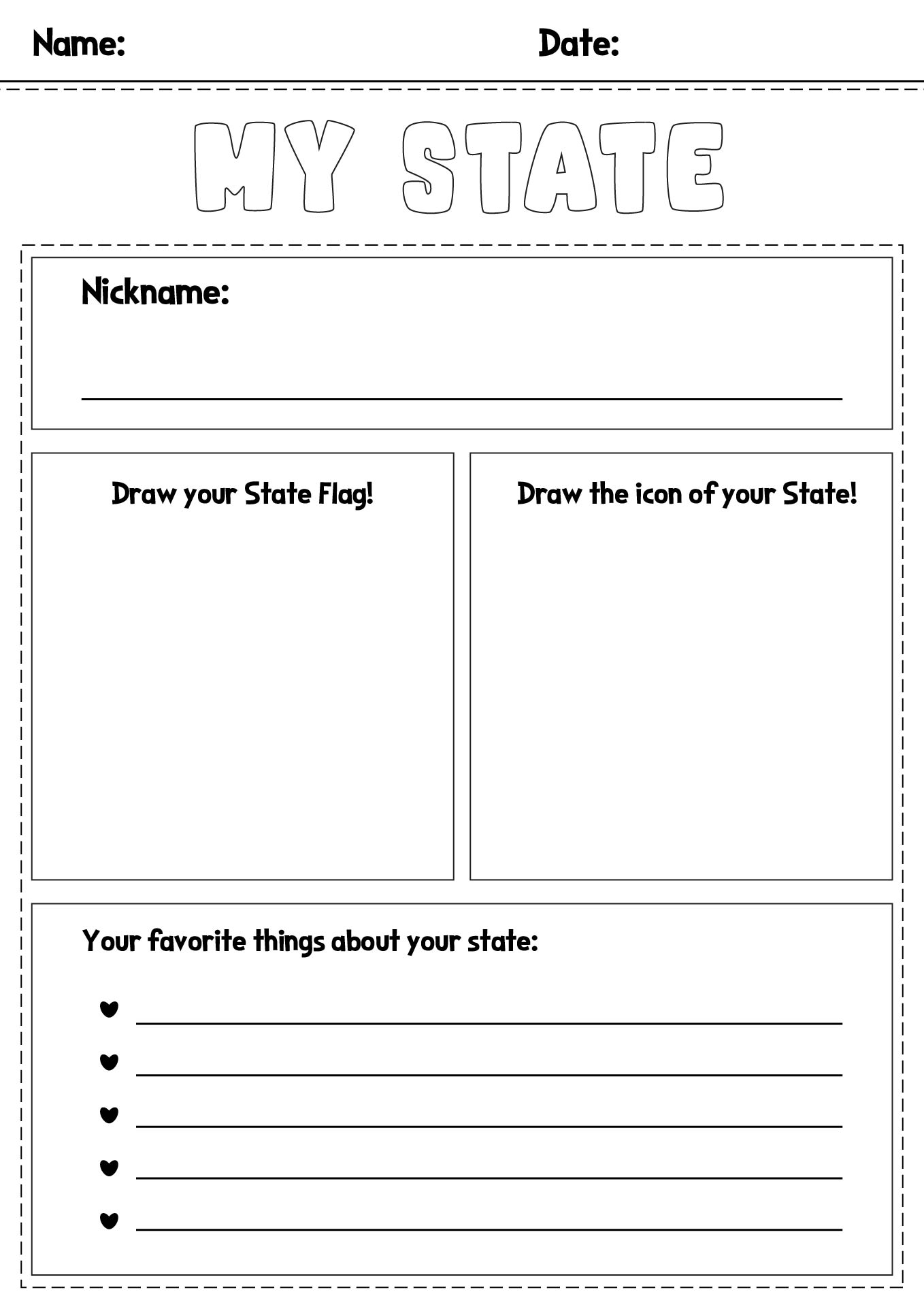
Kindergarten worksheets provide structure, which is important for young learners. But they should also leave room for creativity. For instance, instead of just tracing lines on a map, let kids draw their own neighborhood or design a community they’d like to live in. This blend of structure and creativity keeps them engaged and encourages problem-solving. *Here’s what nobody tells you*: kids learn best when they’re having fun, and social studies is no exception.
Long-Term Benefits of Early Social Studies
Investing time in social studies now pays off in the long run. Kids who understand basic concepts like fairness, diversity, and community responsibility are better equipped to navigate relationships and challenges later in life. It’s not just about passing a test; it’s about raising thoughtful, empathetic individuals. **Social studies is the foundation for a well-rounded education**—one that prepares kids for both academic and real-world success.
Your Next Step Starts Here
In the grand scheme of your child’s education, the foundation you build today shapes their understanding of the world tomorrow. Kindergarten worksheets social studies aren’t just about learning facts—they’re about fostering curiosity, empathy, and a sense of connection to the community and beyond. These early lessons plant seeds of critical thinking and awareness that will grow with your child, influencing how they navigate relationships, challenges, and opportunities in the years to come. It’s more than just a worksheet; it’s a stepping stone to a brighter, more informed future.
You might wonder if it’s too early to introduce these concepts, or if your child is ready for such big ideas. Here’s the truth: it’s never too early to start small. Kindergarten is the perfect time to explore social studies in simple, engaging ways that match their natural curiosity. These worksheets are designed to meet them where they are, making complex topics accessible and fun. Trust that your child is capable of grasping more than you think—and that these tools are here to guide both of you along the way.
Ready to take the next step? Browse our gallery of kindergarten worksheets social studies and find the perfect resource to spark your child’s interest. Bookmark this page for future inspiration, or share it with a fellow parent who’s on the same journey. Every small action today is an investment in your child’s tomorrow. Let’s make it count.