January hits, and suddenly you’re staring at a room full of preschoolers with energy levels that could power a small city. Preschool January worksheets aren’t just about keeping them busy—they’re your secret weapon for turning post-holiday chaos into focused learning. Here’s the thing: kids this age are sponges, but their attention spans? Not so much. You need activities that are engaging, educational, and, let’s be real, easy to manage when you’re juggling a dozen other tasks.
Right now, as the new year kicks into gear, parents and teachers are scrambling to reset routines. The holidays were fun, but now it’s back to basics—counting, letters, fine motor skills. The problem? Most worksheets feel stale or too advanced. You need something tailored to preschoolers, something that feels fresh but still aligns with what they’re learning. January is a make-or-break month for setting the tone, and you can’t afford to wing it.
Stick around, and you’ll discover how to turn those restless moments into opportunities. We’re talking worksheets that actually hold their attention, sneak in learning, and maybe—just maybe—give you five minutes to sip your coffee while it’s still hot. No promises on the coffee, though.
Why January Worksheets Matter More Than You Think
January is a fresh start for everyone, including preschoolers. After the holiday break, kids often need a gentle reintroduction to routines and learning. This is where preschool January worksheets come in—they’re not just busywork. They’re a bridge between the chaos of December and the structured learning of the new year. Here’s what nobody tells you: these worksheets aren’t just about academics; they’re about rebuilding focus and confidence. *And yes, that actually matters* for young learners who thrive on consistency.
The Hidden Benefit of Seasonal Themes
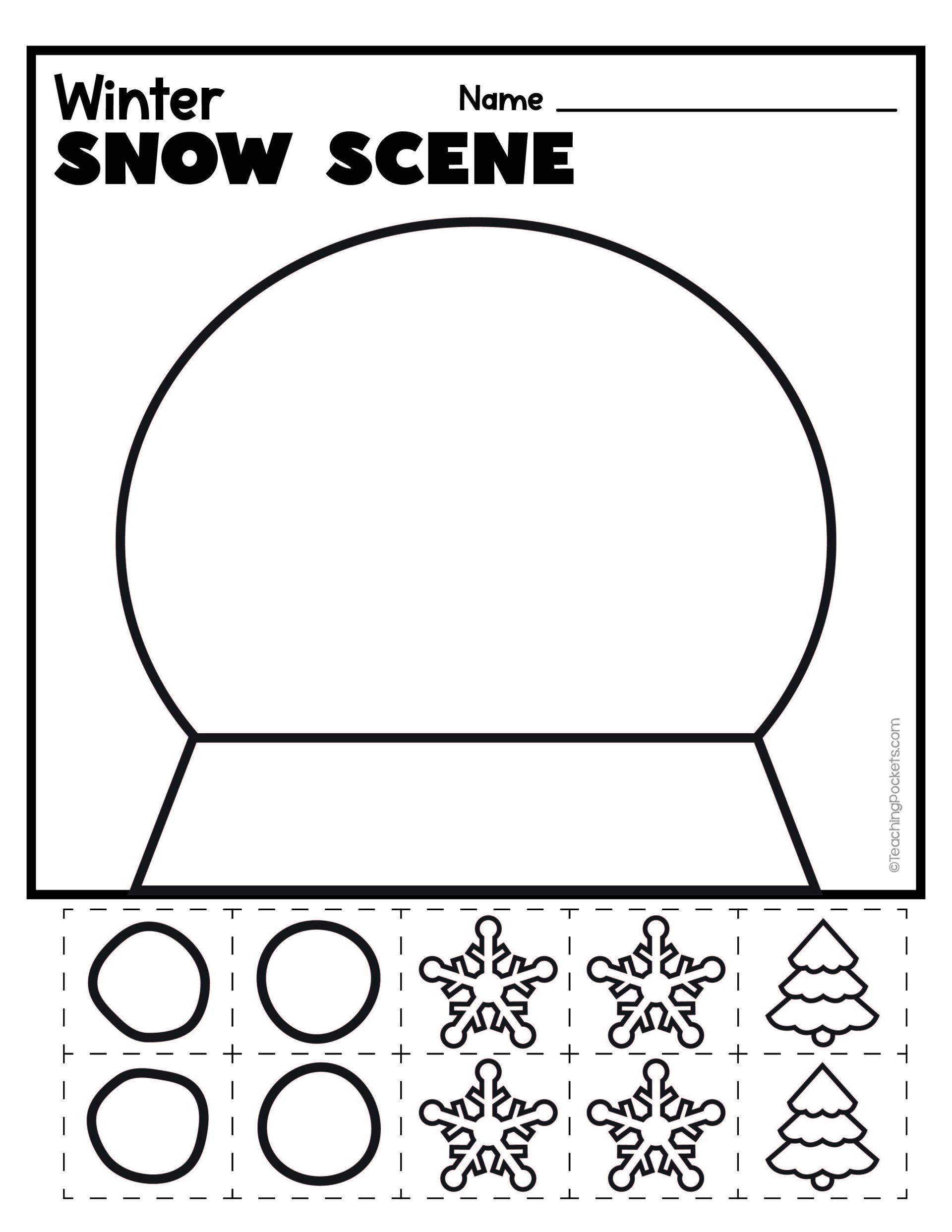
January worksheets often incorporate winter and New Year themes, which are more than just cute decorations. These themes tap into a child’s natural curiosity about the world around them. For example, a worksheet about snowflakes isn’t just about tracing lines—it’s an opportunity to talk about science, weather, and even geography. **Engaging their interests** makes learning feel less like work and more like play. Plus, it’s a great way to introduce cross-curricular concepts without overwhelming them.
Avoiding the Common Pitfall: Overloading
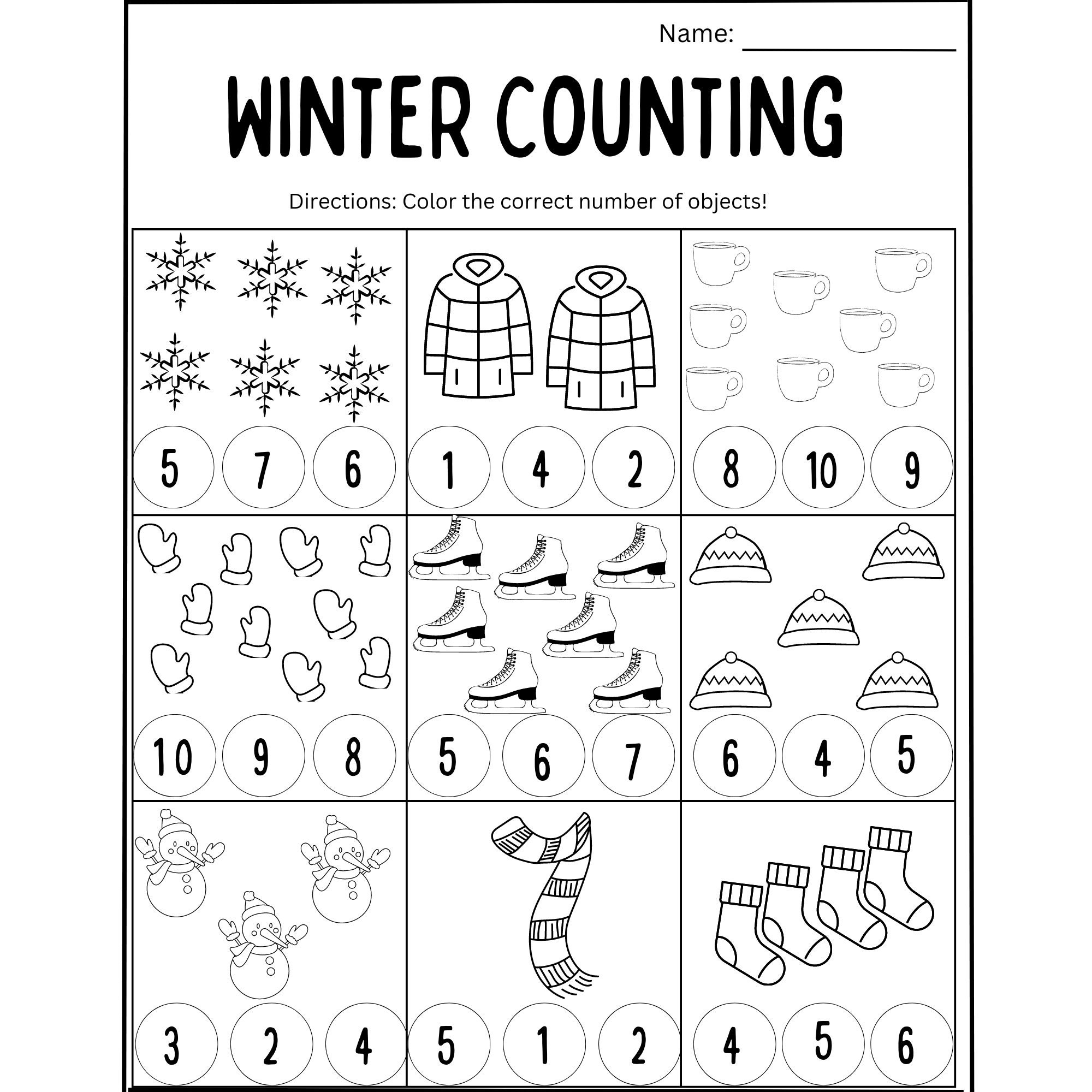
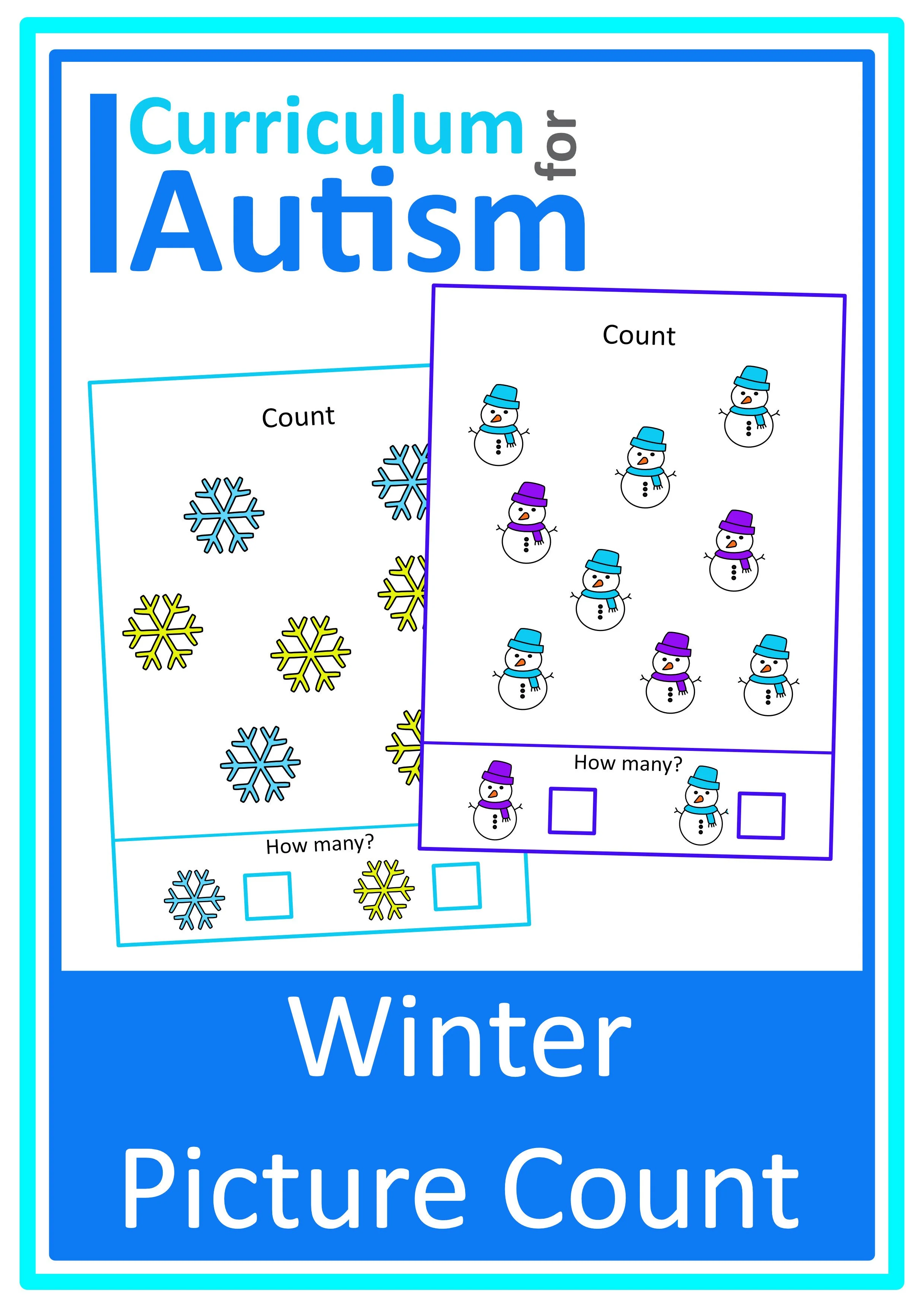
One mistake many parents and educators make is treating January worksheets like a race. They pile on too many activities, thinking more is better. But preschoolers need time to process and enjoy what they’re doing. A single, well-designed worksheet can be more effective than five rushed ones. **Quality over quantity** is the rule here. For instance, a worksheet that combines counting snowmen with fine motor skills (like cutting or pasting) is far more valuable than a page packed with unrelated tasks.
How to Choose the Right Worksheets for Your Preschooler
Not all preschool January worksheets are created equal. Some are too simple, while others are too advanced. The key is to match the worksheet to your child’s current skills and interests. Here’s a quick tip: look for worksheets that include a mix of activities—tracing, coloring, and simple problem-solving. This keeps things interesting and addresses multiple developmental areas at once.
What to Look For in a Worksheet
A good January worksheet should be visually appealing but not cluttered. It should also have clear instructions (or be intuitive enough for a preschooler to understand). Avoid worksheets that rely heavily on text—preschoolers are still building their literacy skills, so visuals should do most of the heavy lifting. **Interactive elements**, like stickers or cut-out pieces, can also make the experience more engaging.
Real-World Example: The Snowman Counting Worksheet
One of my favorite January worksheets is a simple snowman counting activity. The child counts the buttons on each snowman and then writes the corresponding number. It’s straightforward, but it reinforces counting, number recognition, and fine motor skills all at once. Plus, it’s thematic and fun. This is a great example of how a well-designed worksheet can pack a lot of learning into a small space without feeling overwhelming.
- Tip: Pair worksheets with hands-on activities. After counting snowmen on paper, build a real snowman outside (or use marshmallows indoors) to reinforce the concept.
Your Next Step Starts Here
As you step into the new year, remember that the little moments of learning and growth you foster today will shape the big achievements of tomorrow. Preschool January worksheets aren’t just about keeping kids busy—they’re about building a foundation of curiosity, confidence, and skill that will carry them through their educational journey. Every page turned, every letter traced, and every problem solved is a step toward their future success. Isn’t that worth celebrating?
If you’re wondering whether these worksheets are worth the effort, let me reassure you: they are. Even on the busiest days, these tools offer a structured yet engaging way to connect with your child or students. They’re designed to be flexible, so whether you have five minutes or fifty, you can make a meaningful impact. Don’t let perfection get in the way of progress—every small step counts.
Ready to get started? Take a moment to bookmark this page or share it with a fellow educator or parent who could use a little inspiration. Explore the gallery of preschool January worksheets and pick the ones that resonate most with your little learners. Together, let’s make this January a month of discovery, growth, and joy. Your next step starts here—what are you waiting for?