Teaching numbers to preschoolers can feel like herding cats on a sugar high. Preschool printables numbers are your secret weapon, but let’s be real—not all worksheets are created equal. Some are boring, others are confusing, and most miss the mark on what actually engages little minds. Here’s the thing, if you’re still relying on generic printouts, you’re leaving a ton of learning potential on the table.
Right now, as your preschooler’s brain is wiring itself for math, every activity counts. Those early number skills aren’t just about counting to ten; they’re the foundation for problem-solving, logic, and even reading. But let’s face it, kids this age have the attention span of a goldfish. You need tools that are simple, fun, and sneakily educational—or they’ll tune out faster than you can say “1, 2, 3.”
What if you could turn number practice into something they actually beg to do? Stick around, and you’ll discover how to pick (or create) printables that make learning numbers feel like play. Spoiler: it’s not just about cute graphics.
The Hidden Challenge in Teaching Numbers to Preschoolers
Most parents and educators focus on the basics when introducing number recognition to young children: flashcards, counting objects, and simple worksheets. But here’s what nobody tells you—repetition alone doesn’t guarantee understanding. Preschoolers often memorize shapes of numbers without grasping their value or sequence. This is where **preschool printables numbers** come in, but not all are created equal. The real challenge? Finding resources that bridge the gap between rote learning and conceptual understanding.
Why Traditional Methods Fall Short
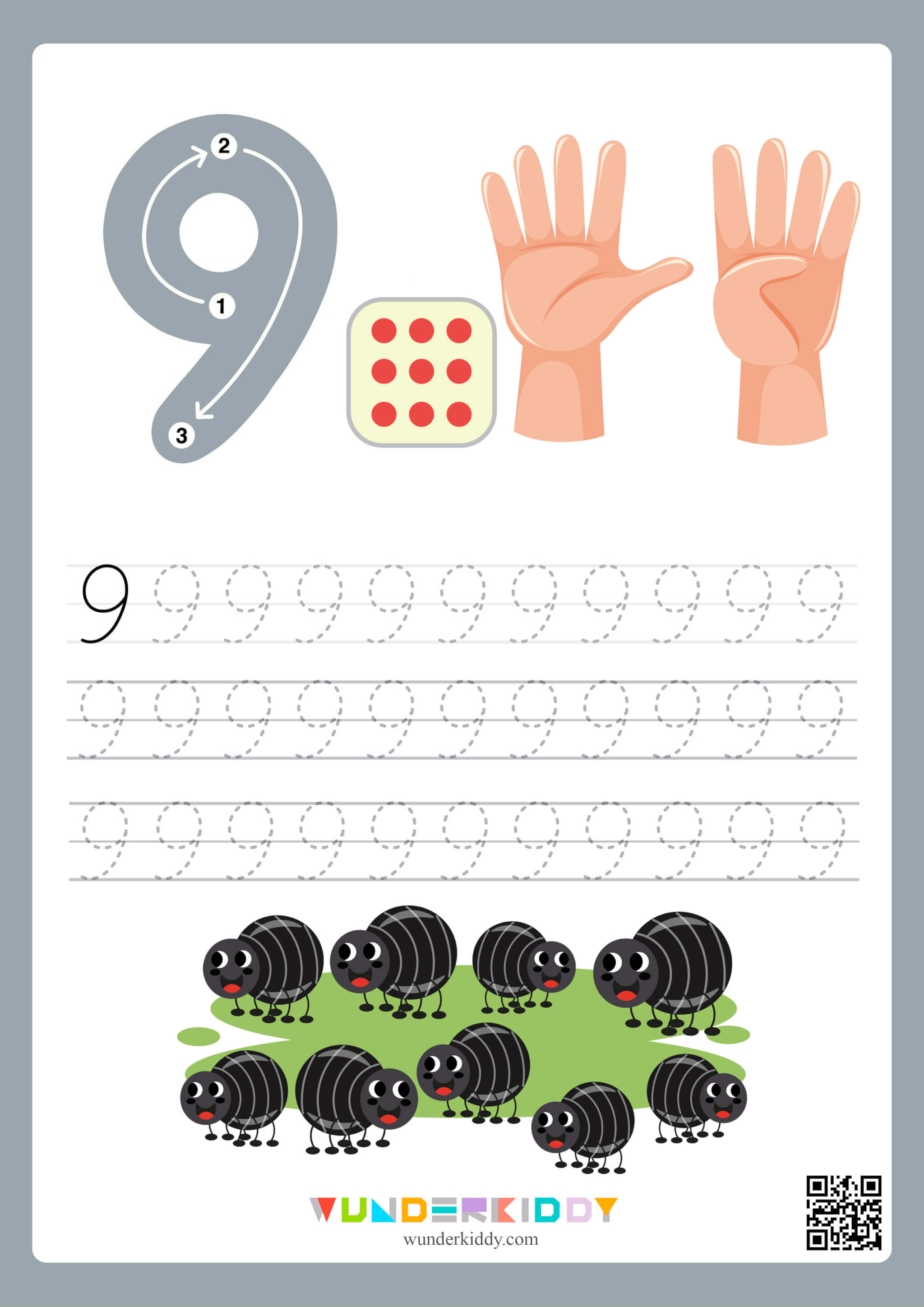
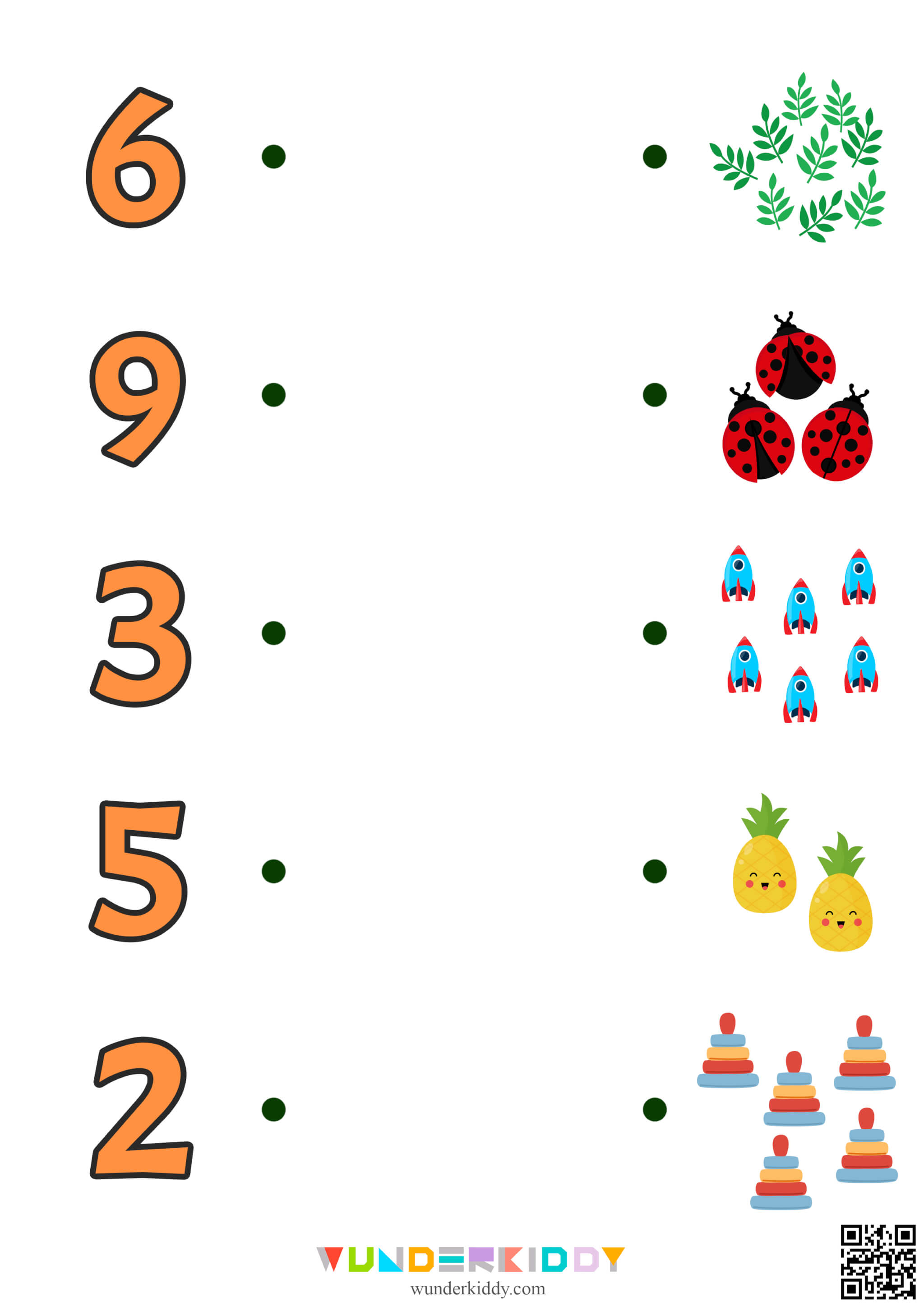
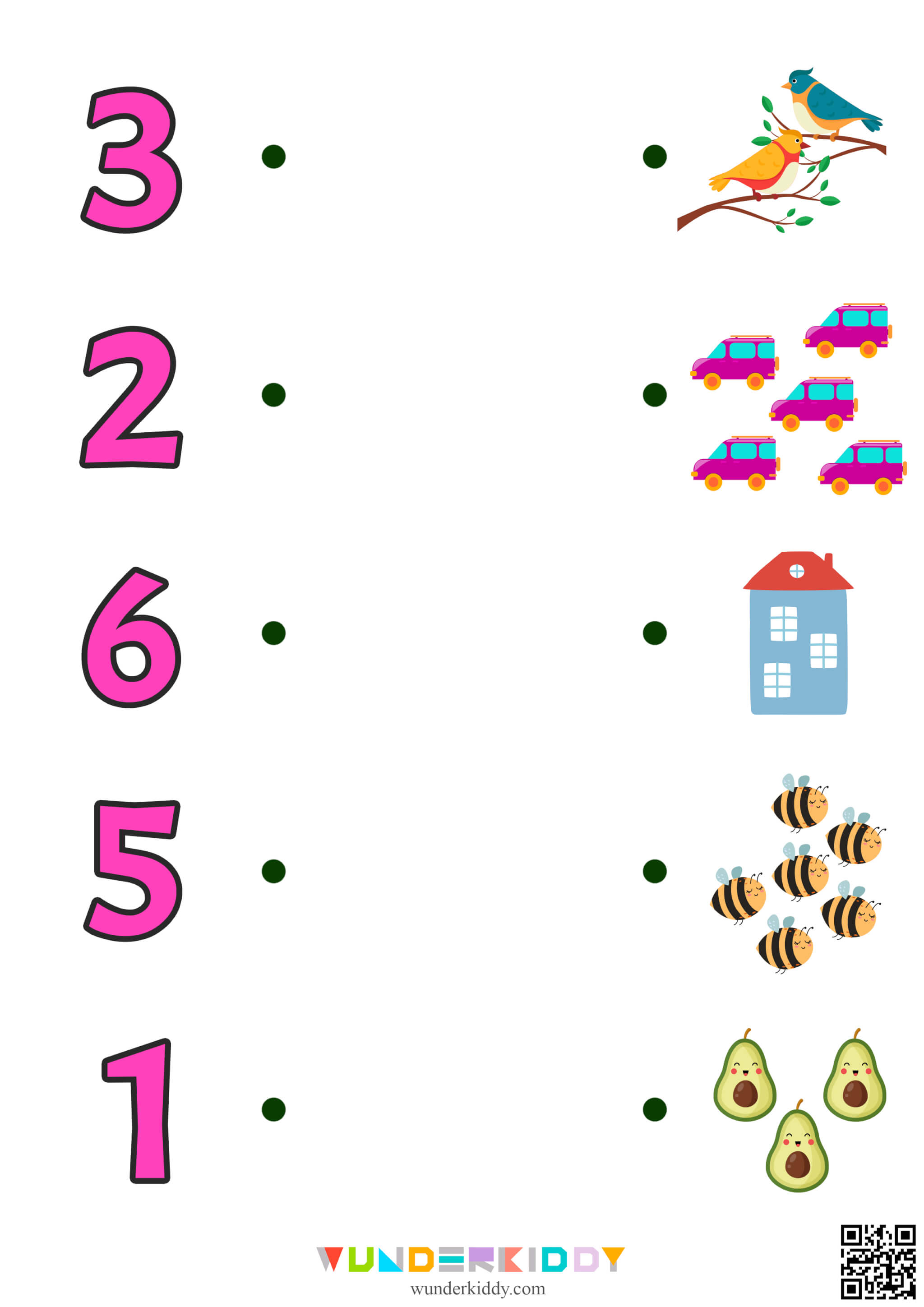
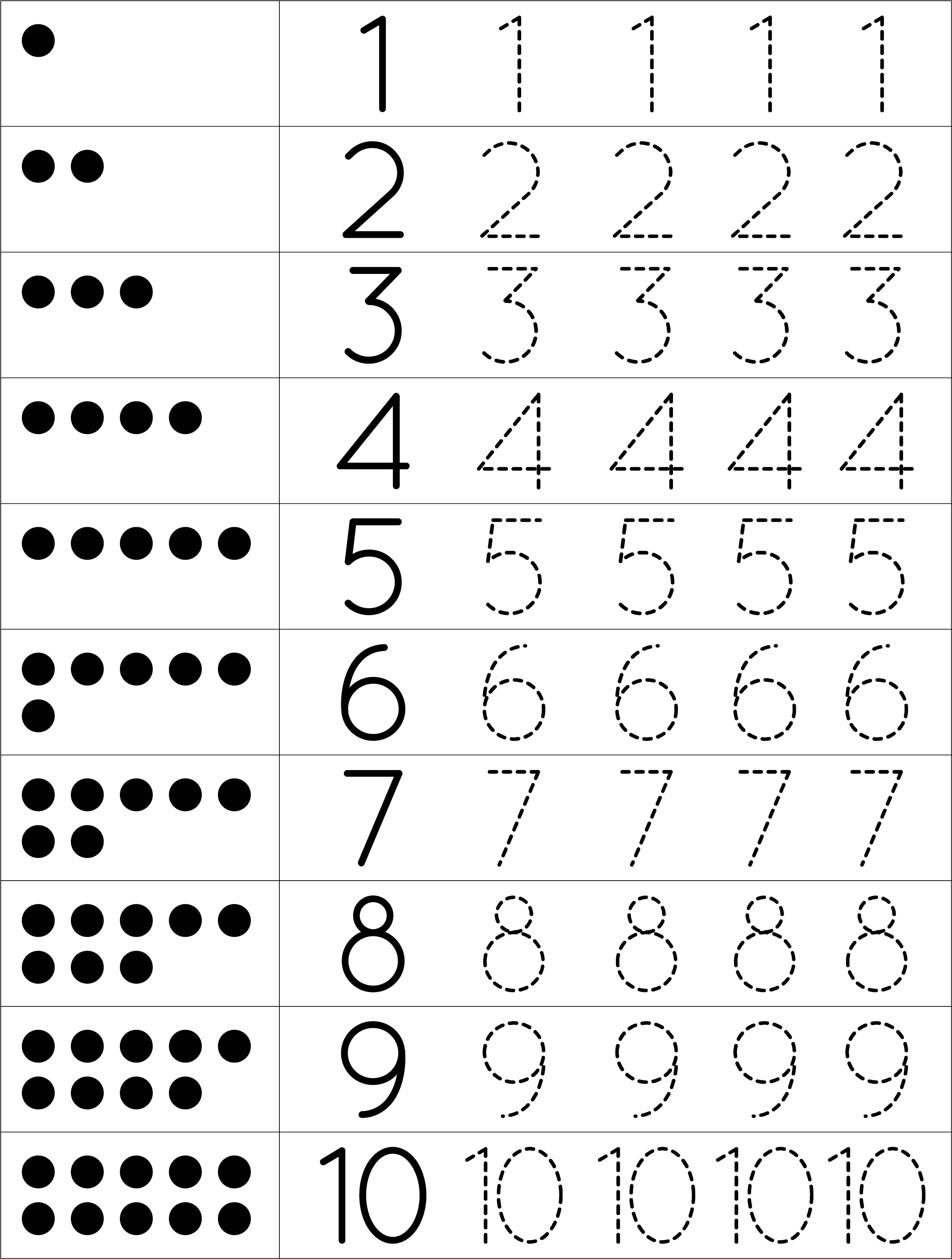
Traditional tools like flashcards or basic worksheets often treat numbers as isolated symbols. A child might recognize a "3," but ask them to count three apples, and they might struggle. This disconnect happens because **number sense**—the intuitive understanding of quantity—isn’t being developed. Preschool printables numbers that incorporate visual aids, like dots or pictures, can help, but only if they’re designed thoughtfully. For instance, a printable with groups of objects next to numerals reinforces the idea that "5" isn’t just a shape—it represents a quantity.
The Role of Play in Number Learning
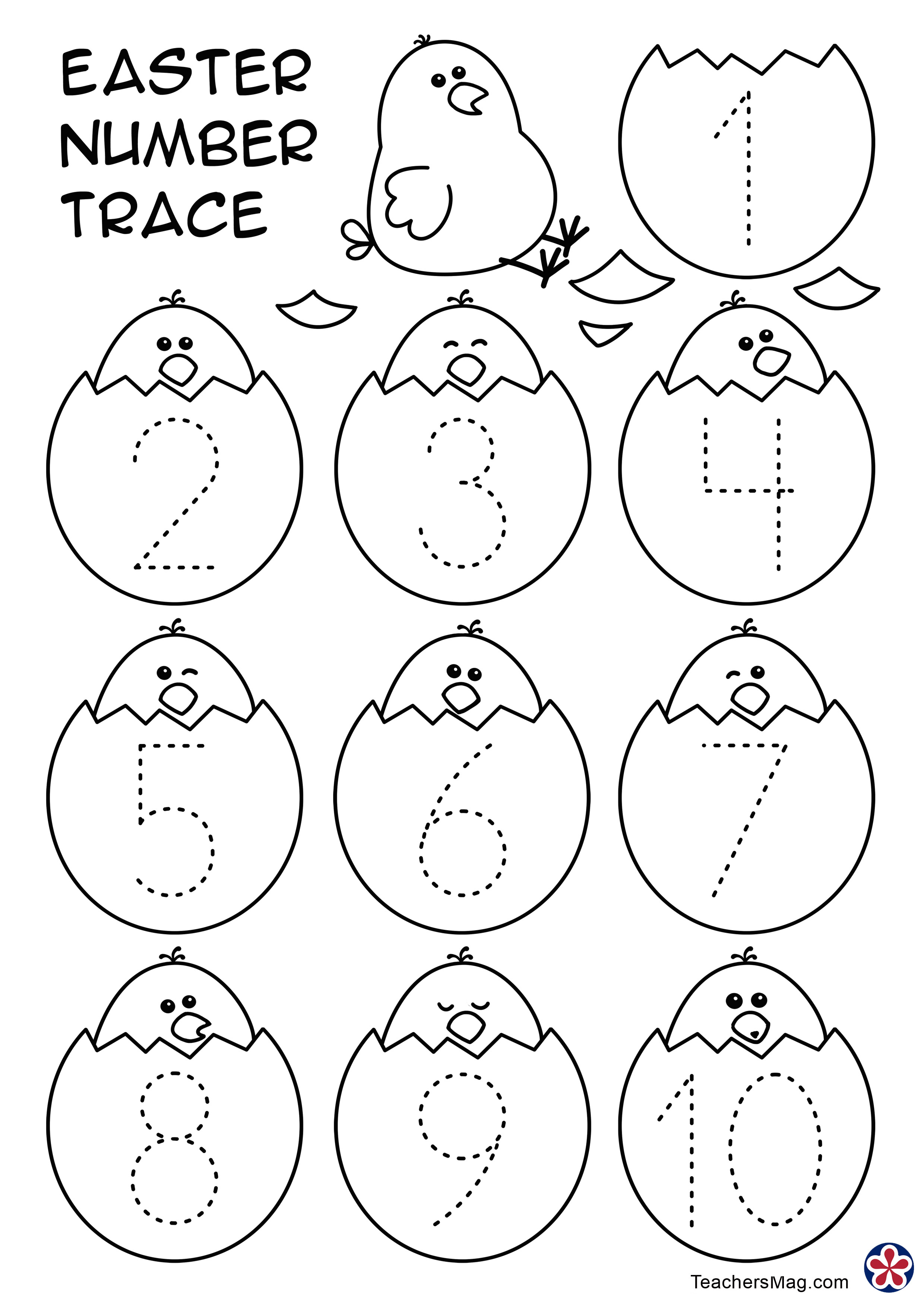
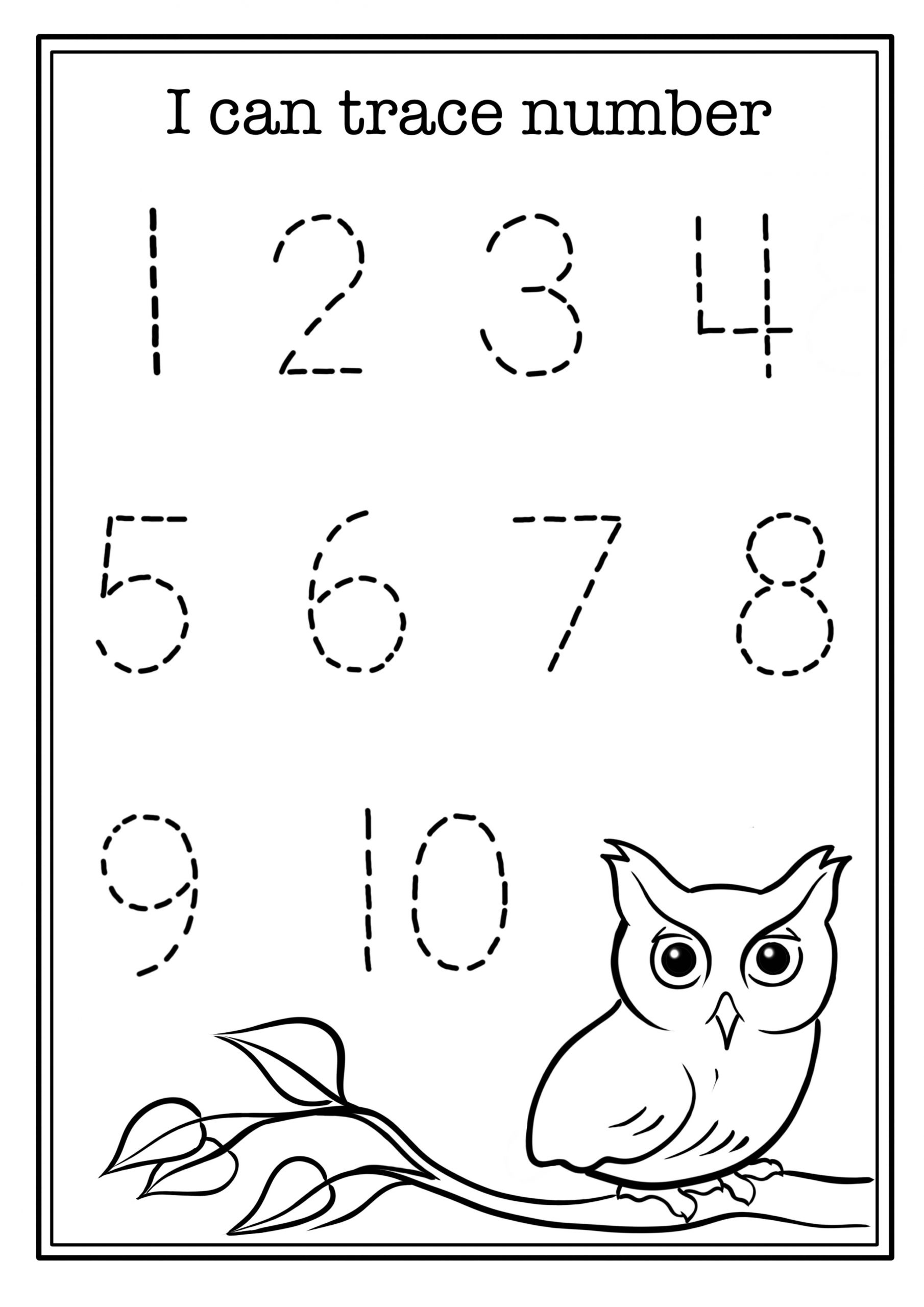
Here’s a secret: preschoolers learn best when they don’t realize they’re learning. Gamified printables, such as number-themed mazes or matching activities, turn practice into play. For example, a printable where kids connect dots to form a number not only reinforces recognition but also builds fine motor skills. Actionable tip: Pair printables with physical objects. After completing a worksheet, have your child count out the same number of blocks or toys. This tactile experience solidifies the connection between the symbol and its real-world application.
How to Choose the Right Preschool Printables Numbers
Look for Multi-Sensory Designs
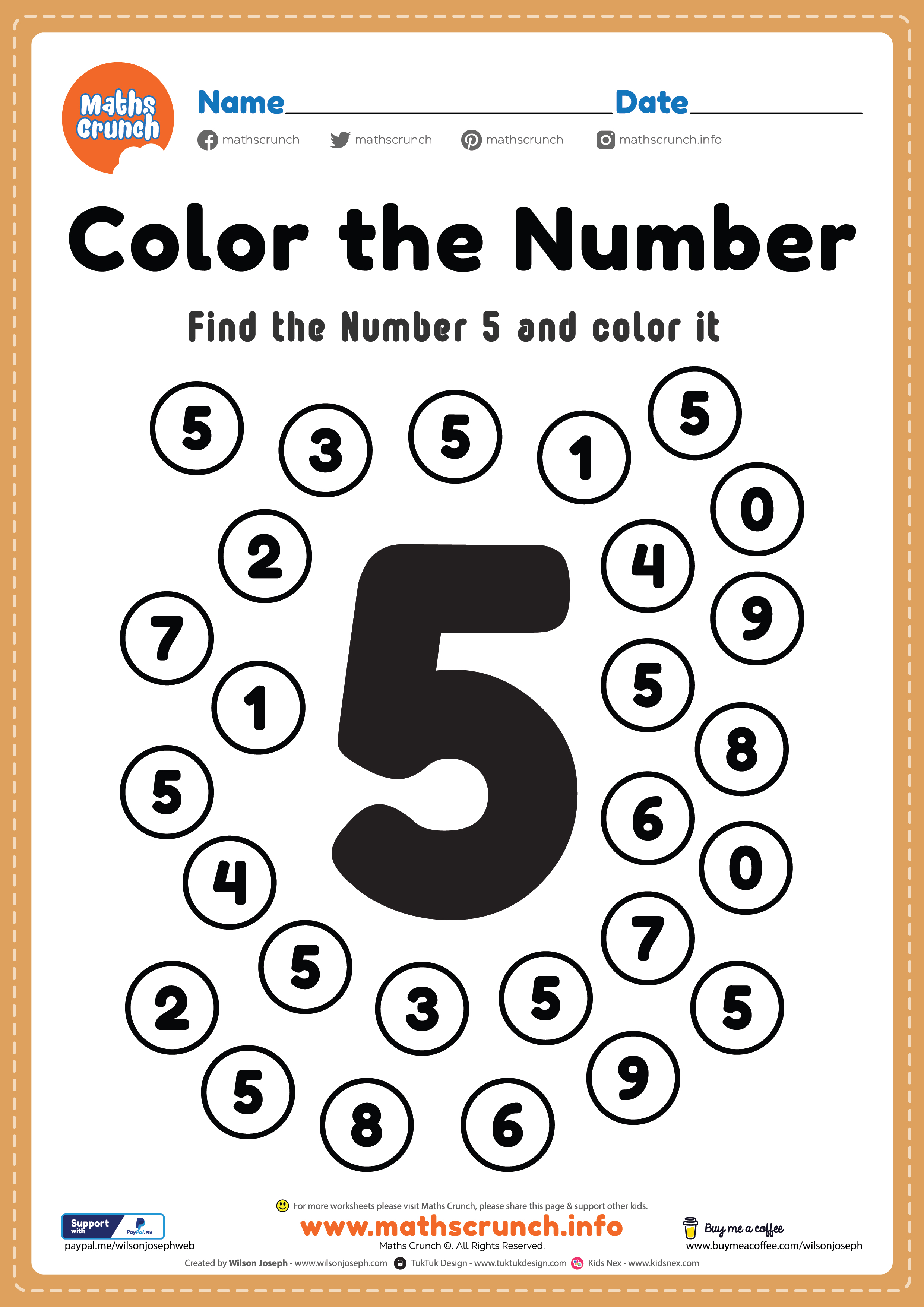
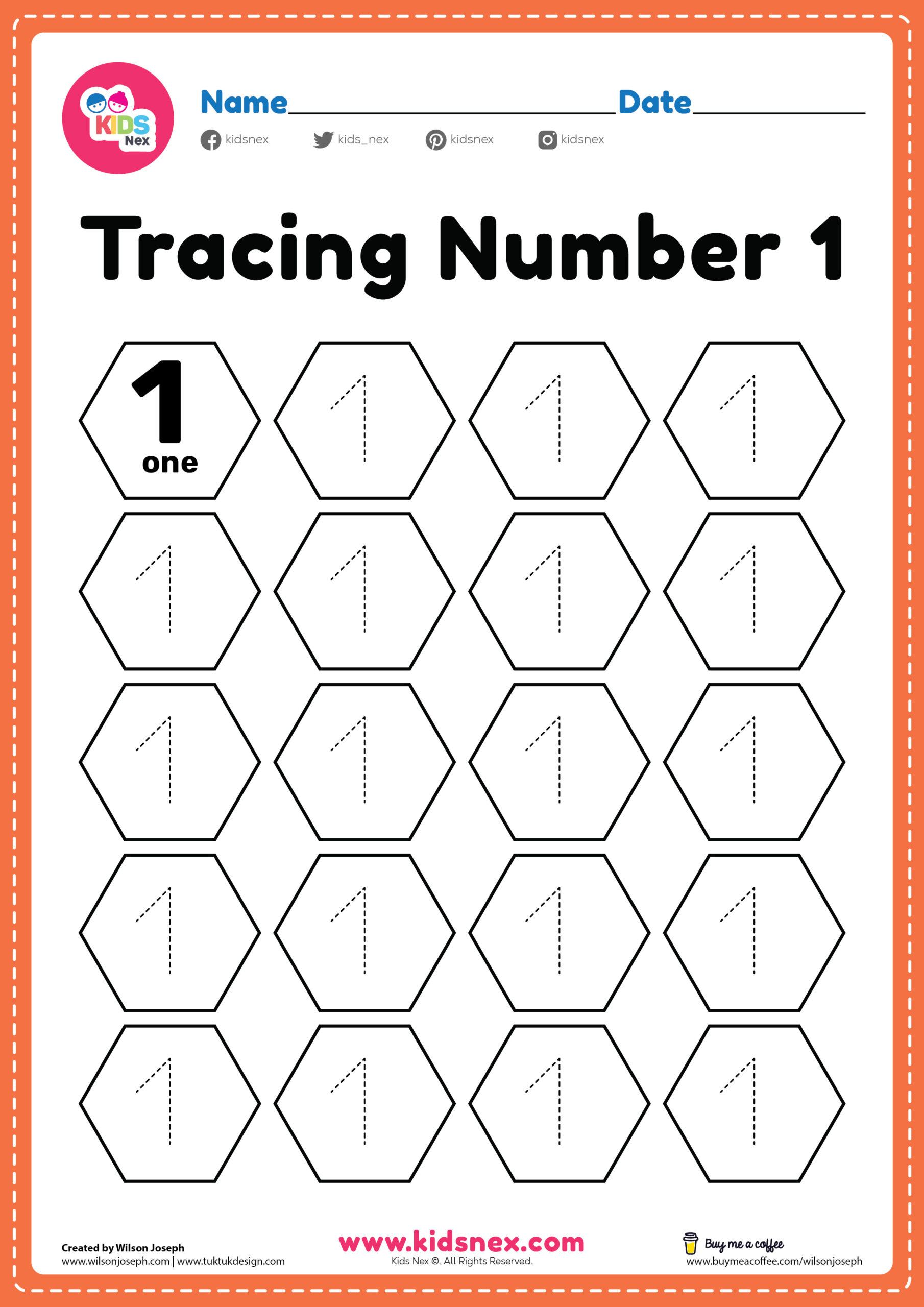
The best printables engage more than one sense. For instance, a worksheet that includes tracing numbers, counting objects, and coloring reinforces learning through touch and sight. Avoid overly cluttered designs, as they can overwhelm young learners. A clean, focused layout keeps their attention on the task at hand.
Prioritize Sequencing and Patterns
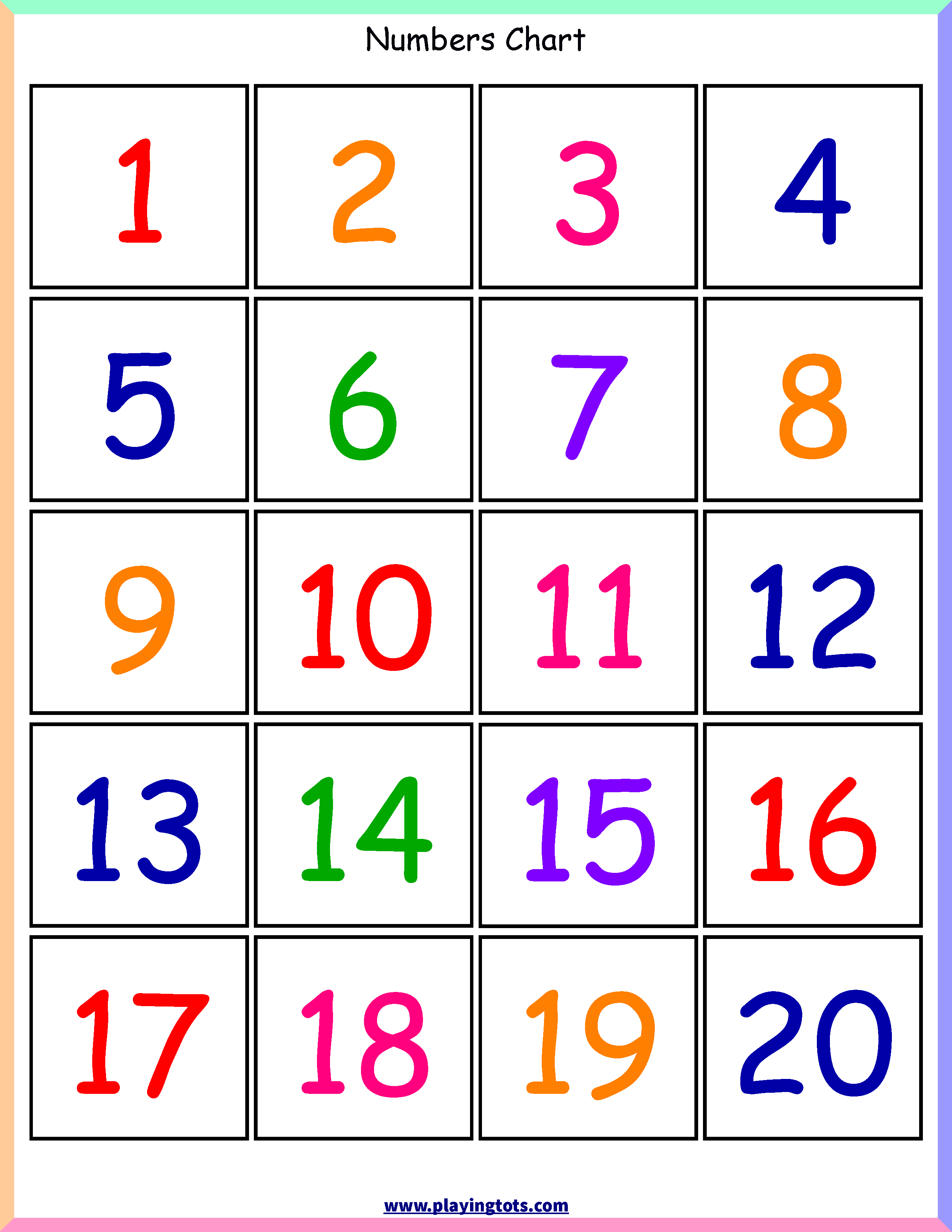
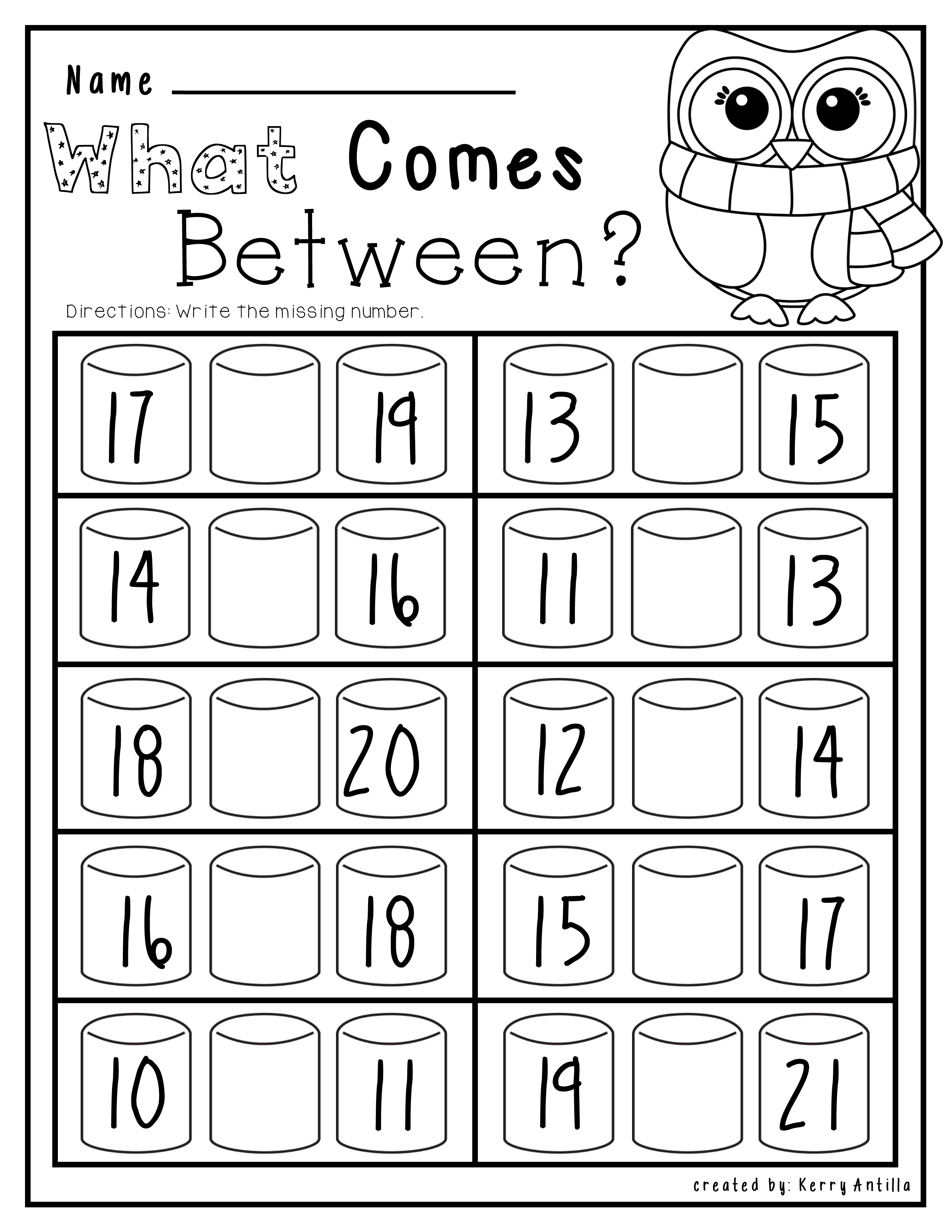
Numbers aren’t just individual entities—they’re part of a sequence. Printables that emphasize patterns, like "what comes next?" or fill-in-the-blank sequences, help children understand order. This lays the groundwork for more advanced concepts like addition and subtraction later on. For example, a printable with a line of numbers missing every third digit teaches both recognition and logical thinking.
Incorporate Real-World Contexts
Numbers exist outside of worksheets, and preschoolers need to see that. Printables that mimic real-life scenarios, like a pretend grocery list or a calendar, make learning relatable. A printable where kids "buy" items by counting out the right number of stickers turns abstract numbers into practical skills. This approach not only makes learning fun but also shows children why numbers matter in their daily lives.
- Tip 1: Use printables as a starting point, not the entire lesson.
- Tip 2: Combine with hands-on activities for deeper understanding.
- Tip 3: Rotate different types of printables to keep engagement high.
Your Next Step Starts Here
In the grand scheme of your child's education, every small step counts. Introducing them to numbers early on isn't just about teaching them to count; it's about building a foundation for problem-solving, critical thinking, and confidence. Preschool printables numbers are more than just worksheets—they're tools that transform learning into an engaging, hands-on experience. By incorporating these into your daily routine, you're not just teaching numbers; you're fostering a love for learning that will stay with them for years to come.
You might be thinking, "But will my child really enjoy this?" Trust me, when learning is presented as a game or a creative activity, kids dive in without hesitation. These printables are designed to be fun, colorful, and interactive, making them perfect for short attention spans. Plus, the sense of accomplishment they’ll feel when they recognize a number or solve a simple problem? Priceless.
So, take a moment to browse the gallery of preschool printables numbers and pick a few that resonate with your little one’s interests. Bookmark this page for easy access, or share it with a fellow parent who’s on the same journey. Every step you take today is an investment in their tomorrow. Let’s make learning count—literally.